01
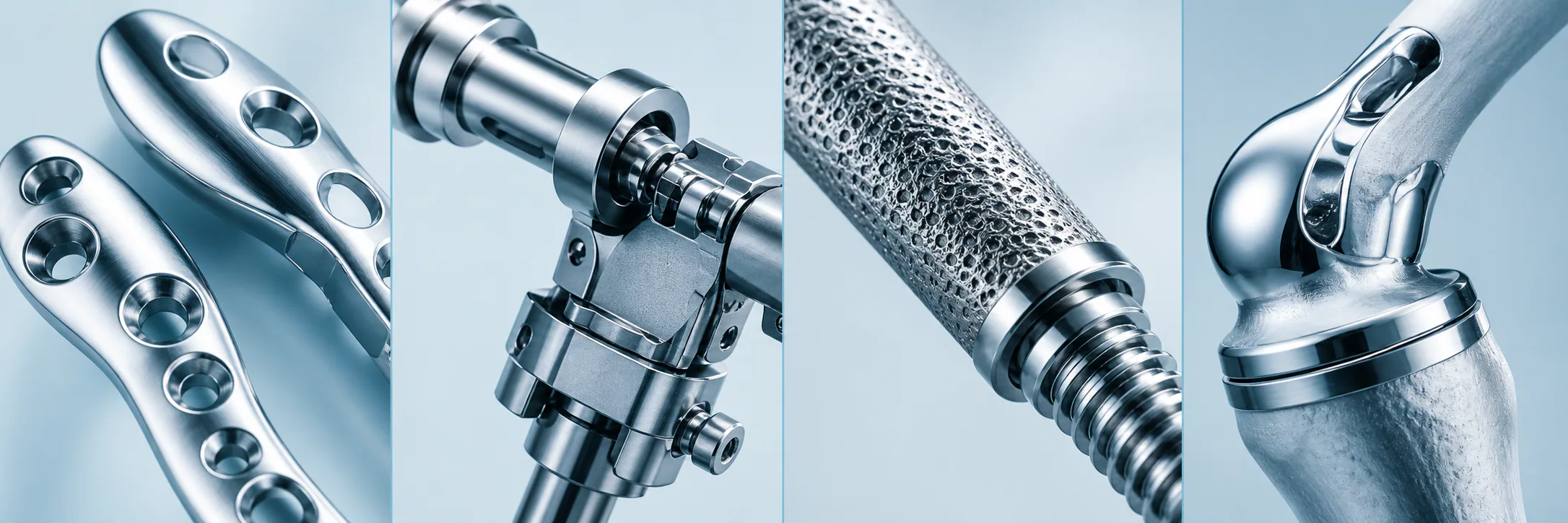
Contour systems
Low-profile geometry for anatomy that refuses a standard answer.
View design intent
Reference surfaces are shaped for predictable handling and a clear read at the table.

Clinical engineering / Minneapolis + remote
Northline builds orthopedic devices and procedure support that help clinical teams move from measured design to confident use.
Explore the system01 / Device families
From fixation plates to instrument interfaces, each family is developed with the people who handle, place, and follow it.
Low-profile geometry for anatomy that refuses a standard answer.
Reference surfaces are shaped for predictable handling and a clear read at the table.
Interfaces that make the next step visible before the hand commits.
Grip, orientation, and tactile cues are considered together during bench review.
Clear documentation for the conversations that continue after launch.
Each kit pairs product context with the procedure notes teams need to compare options.
02 / Evidence in use
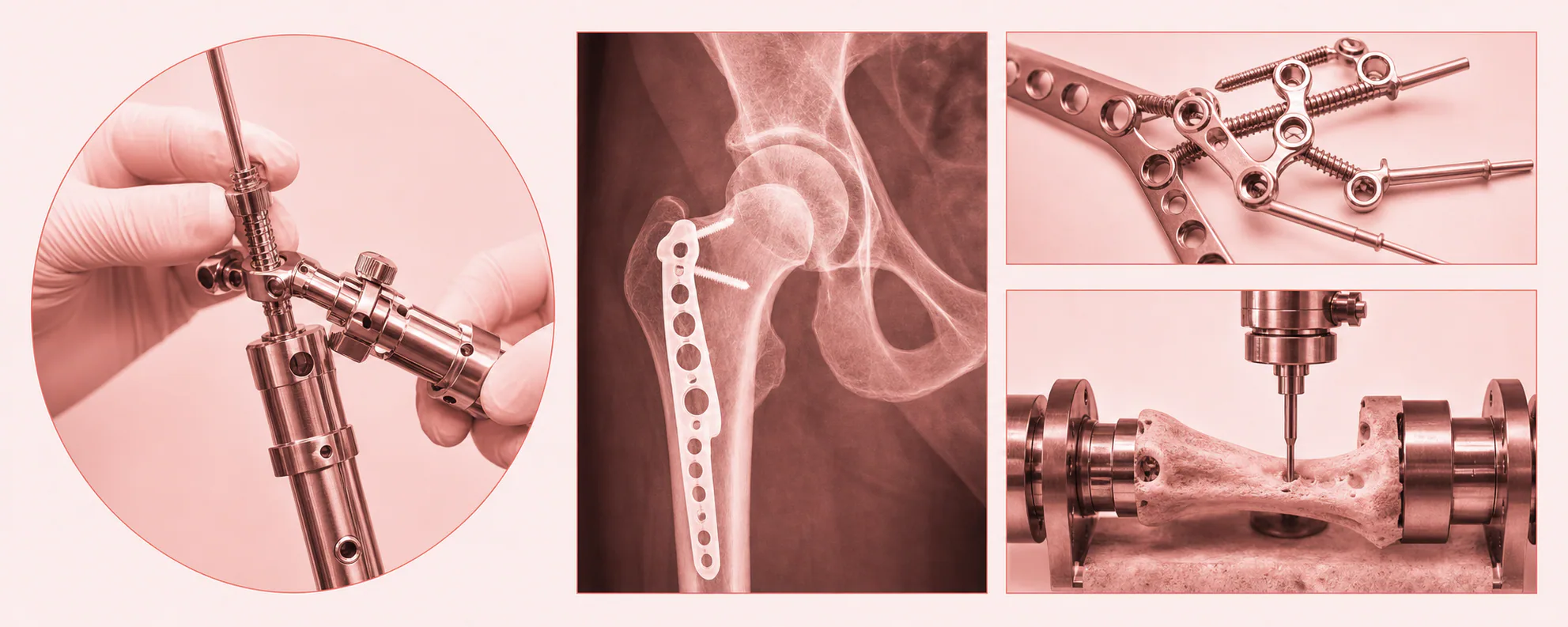
Good hardware earns trust in small, observable moments: the way it sits in a tray, the way a mark lines up, the way a question gets answered without guesswork.
03 / Northline method
Every engagement has a visible next step, with the right amount of documentation for the decision in front of us.
We define the clinical and engineering question before drawing a solution.
Prototypes turn assumptions into surfaces, motions, and useful friction.
We compare what the device promises with what a procedure actually asks.
Launch materials keep the design intent intact when the work leaves the lab.
04 / Clinical engineering desk
Tell us where a device, instrument, or evidence workflow is asking too much of the team. We will reply with a useful first conversation, not a sales sequence.
[email protected]