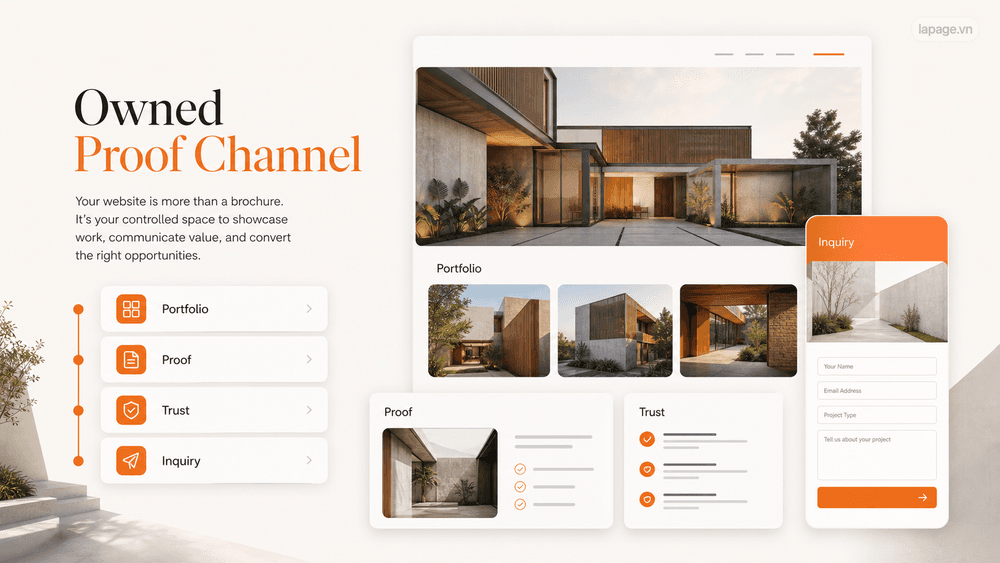
Company Website
Module K: Turning Project Credibility Into an Owned Proof Channel
Jul 2, 2026 · 8 min read

A LaPage Digital case study on how we designed Soulroom.vn as a controlled brand channel with cinematic sequence, magazine-like layout, structured proof, direct inquiry paths, and mobile continuity.
Most businesses treat a website as a place to look professional.
That is too small.
For a brand-led business, a website can become something more useful: a channel the business owns, a place where its positioning, proof, and inquiry paths are organized under its own control.
Soulroom.vn is a clear example — a website designed by LaPage Digital to turn the brand’s visual identity, project proof, and inquiry path into an owned digital channel. You can view the live Soulroom.vn website to experience the design directly.
From the screenshots, Soulroom is not presented as a generic interior design studio. The site gives the brand its own controlled digital space: a strong editorial homepage, project-led proof, direct contact options, and a mobile experience that keeps the customer journey intact.
It is also simply a beautiful website.
The experience feels inspired by two visual languages at once: the rolling sequence of a film strip and the spacious confidence of an editorial magazine. Projects are not treated like random images in a feed. They feel curated, sequenced, and framed — almost like scenes moving through a reel, then laid out with the restraint and hierarchy of a design publication.
This is the kind of asset LaPage Digital cares about.
Not a website for decoration.
An owned system for trust.
Many service businesses depend on social platforms to show their work.
That can create awareness, but it also creates a weak customer journey.
A potential customer may see a post, scroll past it, lose it, or never understand the full story behind the business. The brand becomes fragmented across posts, captions, albums, inbox messages, and platform layouts it does not control.
For visual businesses such as interior design studios, this is especially risky.
The work may be beautiful, but if it only lives inside a social feed, the business does not fully control how customers understand it.
A feed is good for discovery.
It is not enough for structure.
Soulroom.vn gives the studio a controlled place to explain itself.
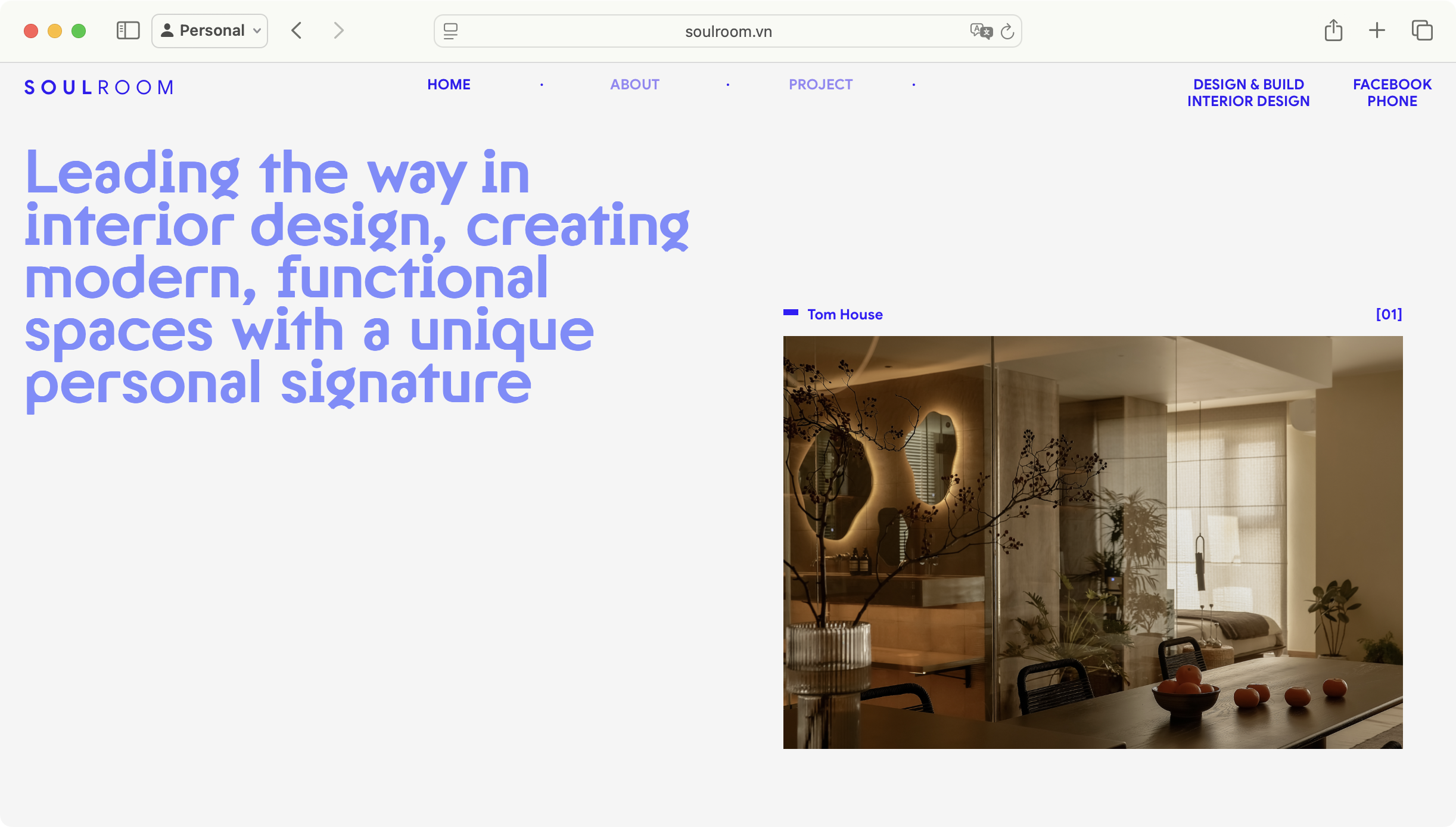
The homepage opens with a clear brand statement:
Leading the way in interior design, creating modern, functional spaces with a unique personal signature.
That line does important work. It tells visitors what Soulroom does, what kind of design it believes in, and how it wants to be remembered.
The visual system supports the same message: generous white space, bold blue typography, minimal navigation, and large project imagery. The site feels editorial, focused, and intentional.
What makes it memorable is the way the interface combines magazine-like layout with a cinematic sense of sequence.
The large type feels like a magazine cover line. The project imagery feels like a visual spread. The repeated project sections create the feeling of a film strip rolling forward: one scene, one project, one atmosphere at a time.
That combination is important for an interior design studio. It lets the website feel designed, not merely assembled.
That matters because brand perception is not created only by words.
It is created by the system around the words.
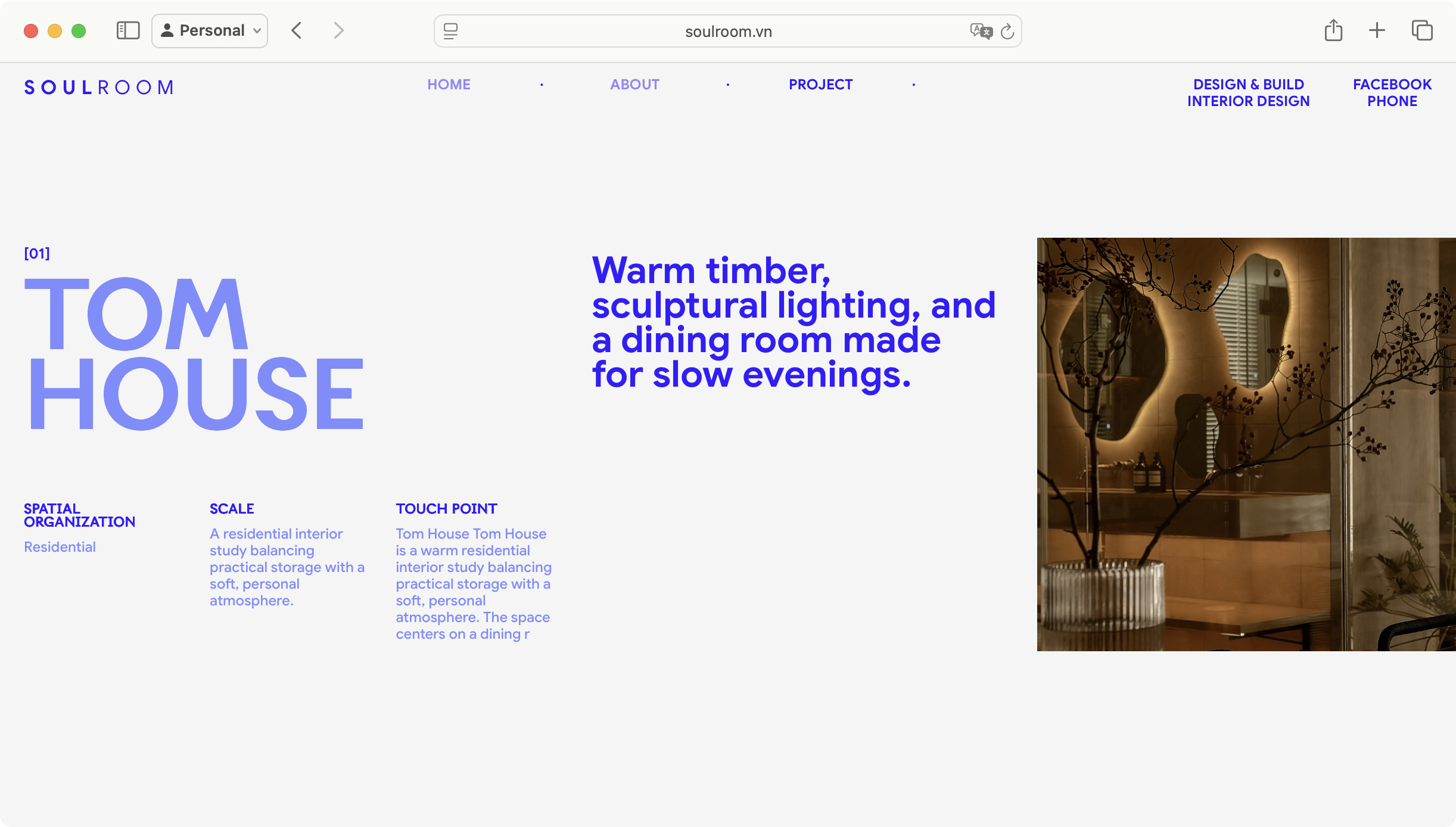
The homepage and project detail screenshots show how Soulroom’s work is organized around project stories.
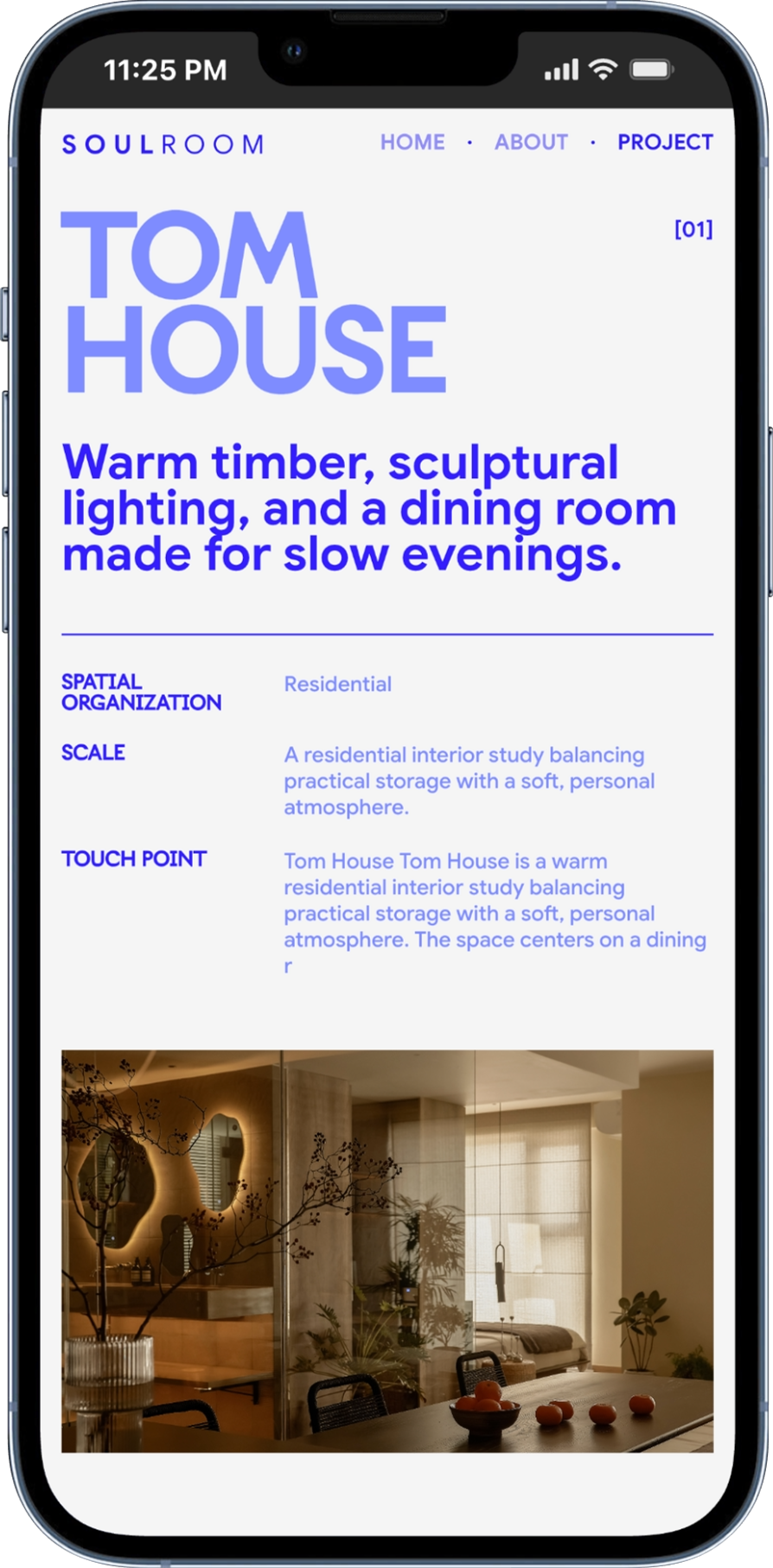
One visible example is Tom House.
The project is not only shown as an image. It has a name, a residential category, a design idea, and supporting detail:
Warm timber, sculptural lighting, and a dining room made for slow evenings.
This turns the project into more than a gallery item.
It feels closer to a magazine feature or a short visual scene. The image sets the mood, the headline gives the project an emotional direction, and the supporting details explain what the space is meant to do.
It becomes reusable sales proof.
A structured project page helps a potential client understand the style, atmosphere, function, and thinking behind the work. It gives the business a more durable way to present its expertise than scattered social posts.
For LaPage Digital, this is the larger lesson:
A good owned channel does not just display work. It organizes proof.
And for a visual business, the way that proof is organized matters. The design has to carry taste, rhythm, and credibility before the visitor reads every line.
The screenshots also show practical contact paths.
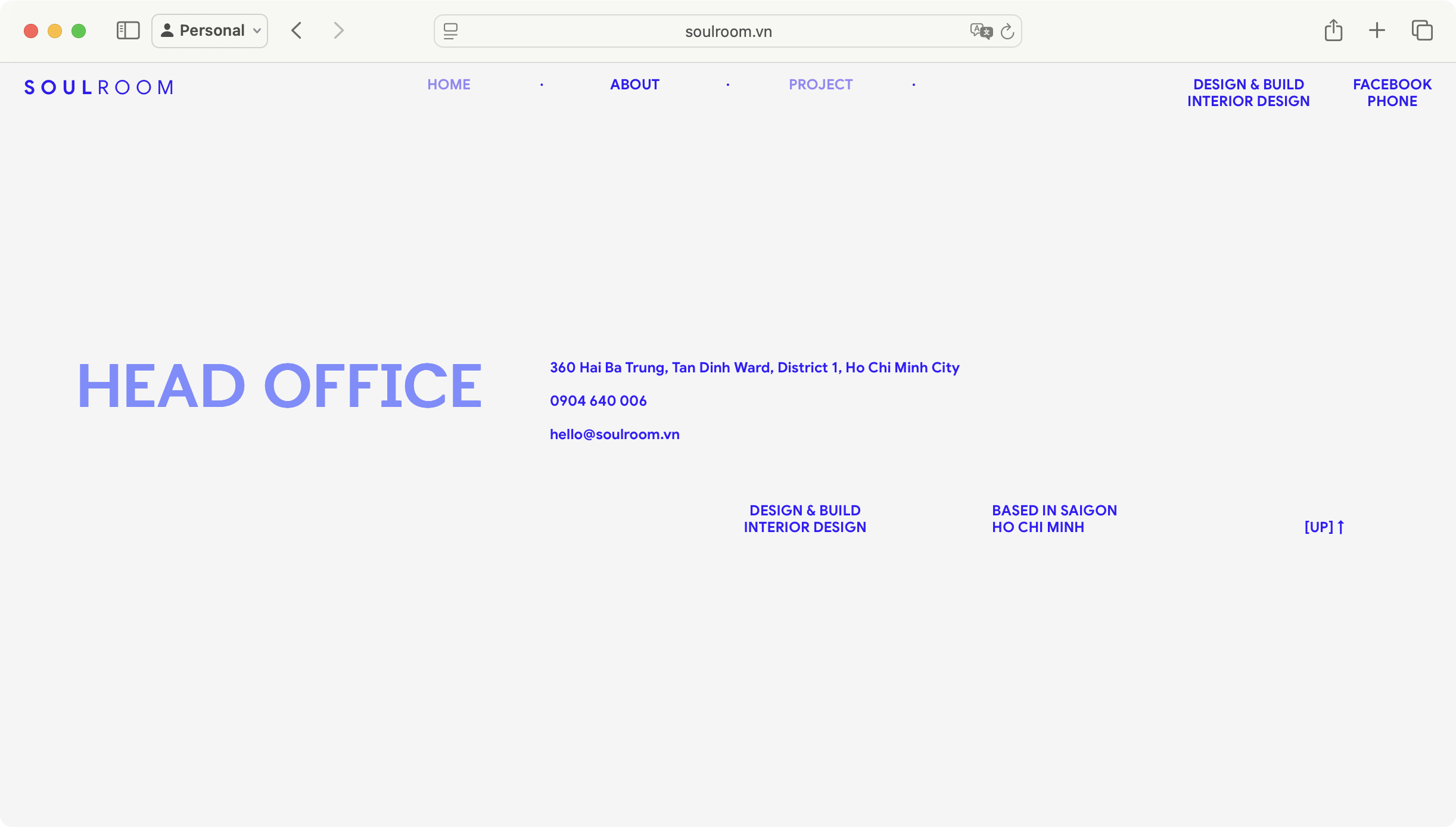
The navigation includes Facebook and Phone. The About page includes a head office address, phone number, and email address:
These details may look simple, but they matter.
A business does not fully own the customer journey if every serious inquiry has to happen inside a third-party platform.
An owned site gives customers a stable place to find the business, understand the offer, review the work, and choose a contact path.
Social media can still support the journey.
But it should not be the only place where the relationship begins.
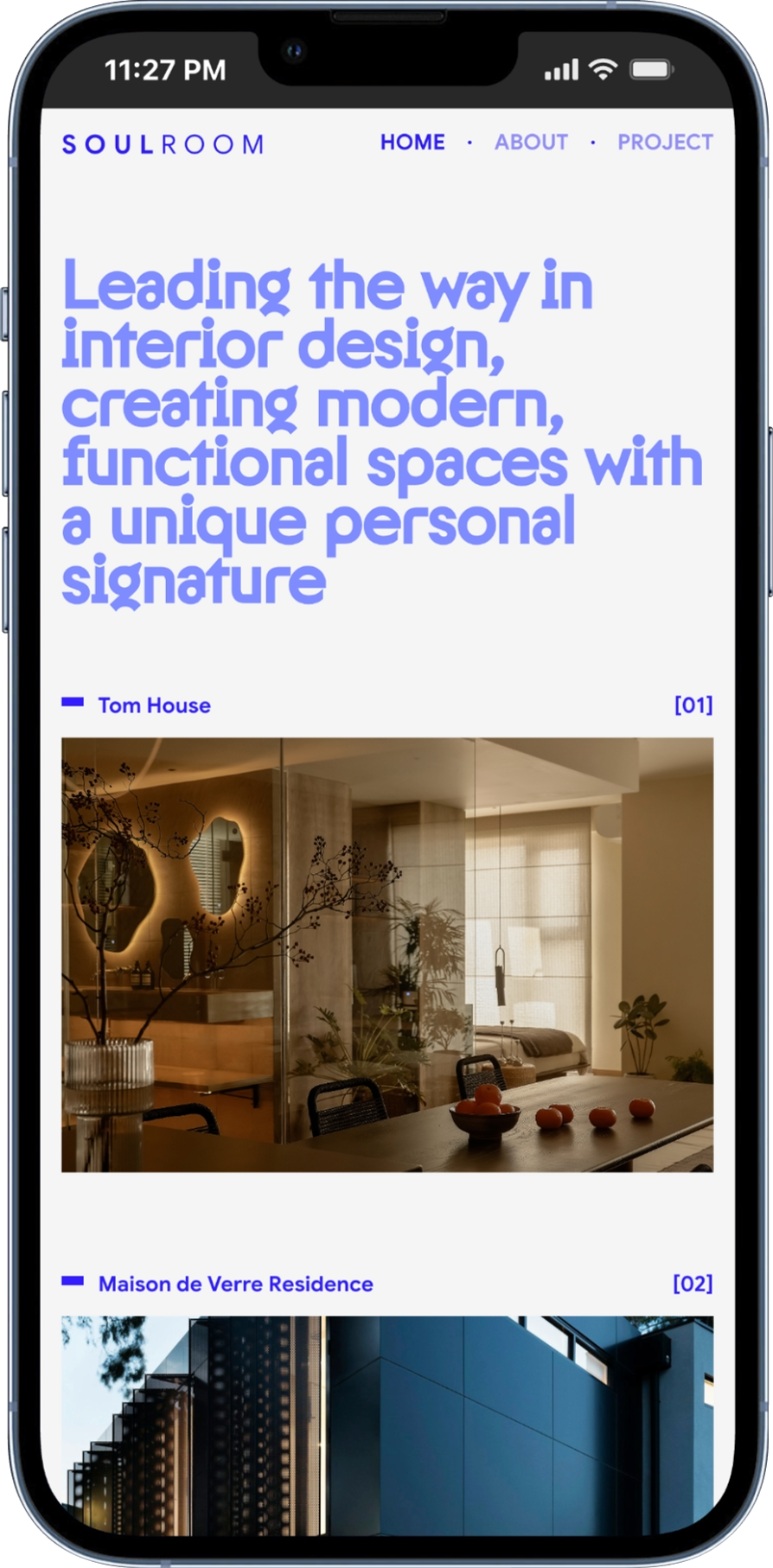
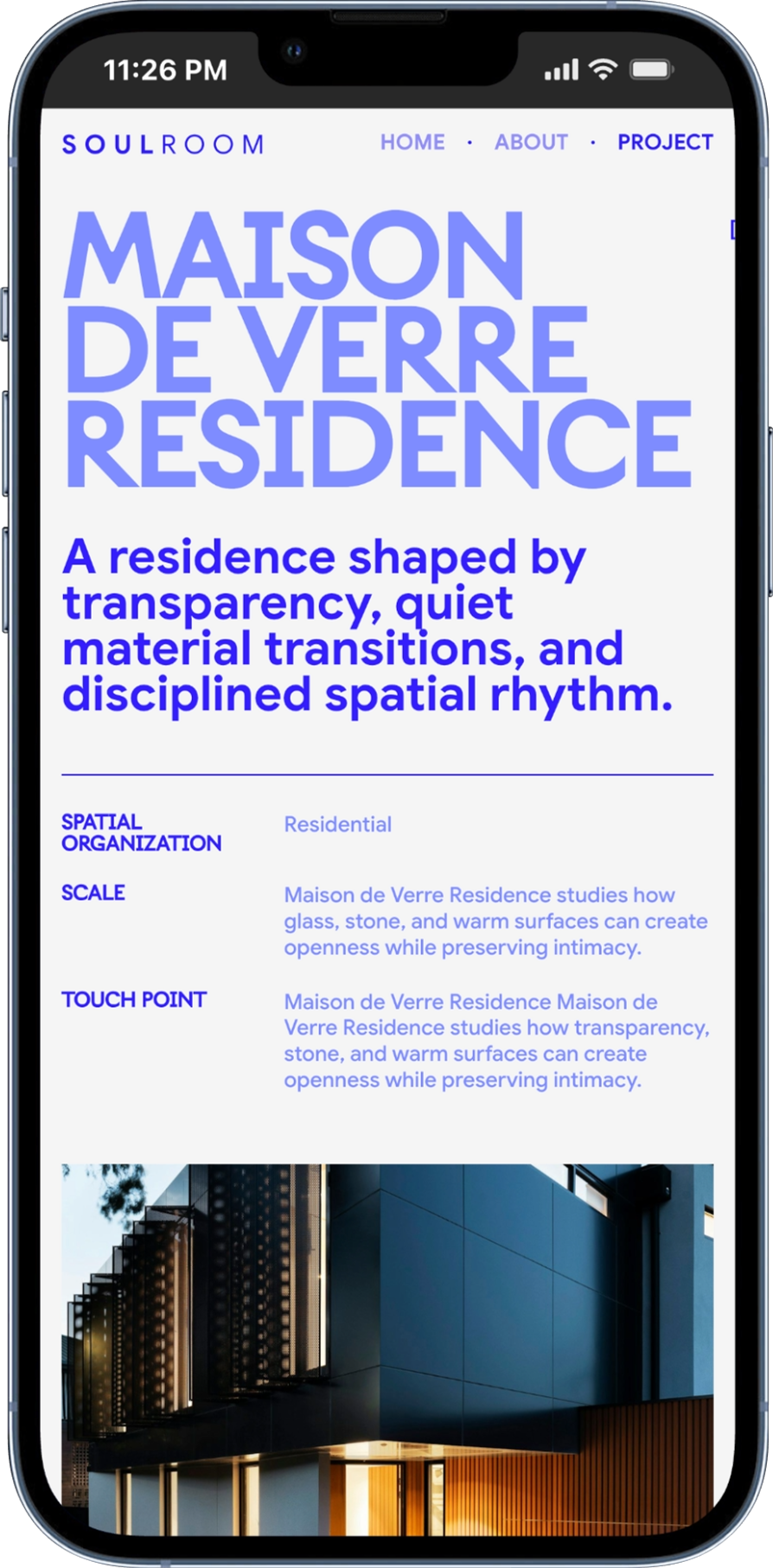
The mobile screenshots show the same core experience translated for smaller screens: brand, navigation, headline, projects, and project details remain accessible.
That matters because many customers do not first visit from a desktop.
They discover from phones.
A weak mobile experience can break the path between attention and inquiry. A responsive owned channel keeps that path usable when the customer is already interested.
In simple terms:
Attention should not leak because the system breaks on mobile.
The Soulroom.vn case is not about saying every business needs a prettier website.
It shows something more important:
A website becomes valuable when it gives the business more control over how customers move from discovery to trust to inquiry.
For Soulroom, the visible system is simple:
That creates a basic customer ownership path:
Attention → understanding → proof → contact
The complete screenshot set makes the design direction clearer.
The homepage establishes the magazine-like first impression: large type, strong negative space, and a project image that feels more like an editorial spread than a standard website banner.
The About page keeps the same restraint. It does not overload the visitor. It gives the business location, phone, email, and positioning room to breathe.
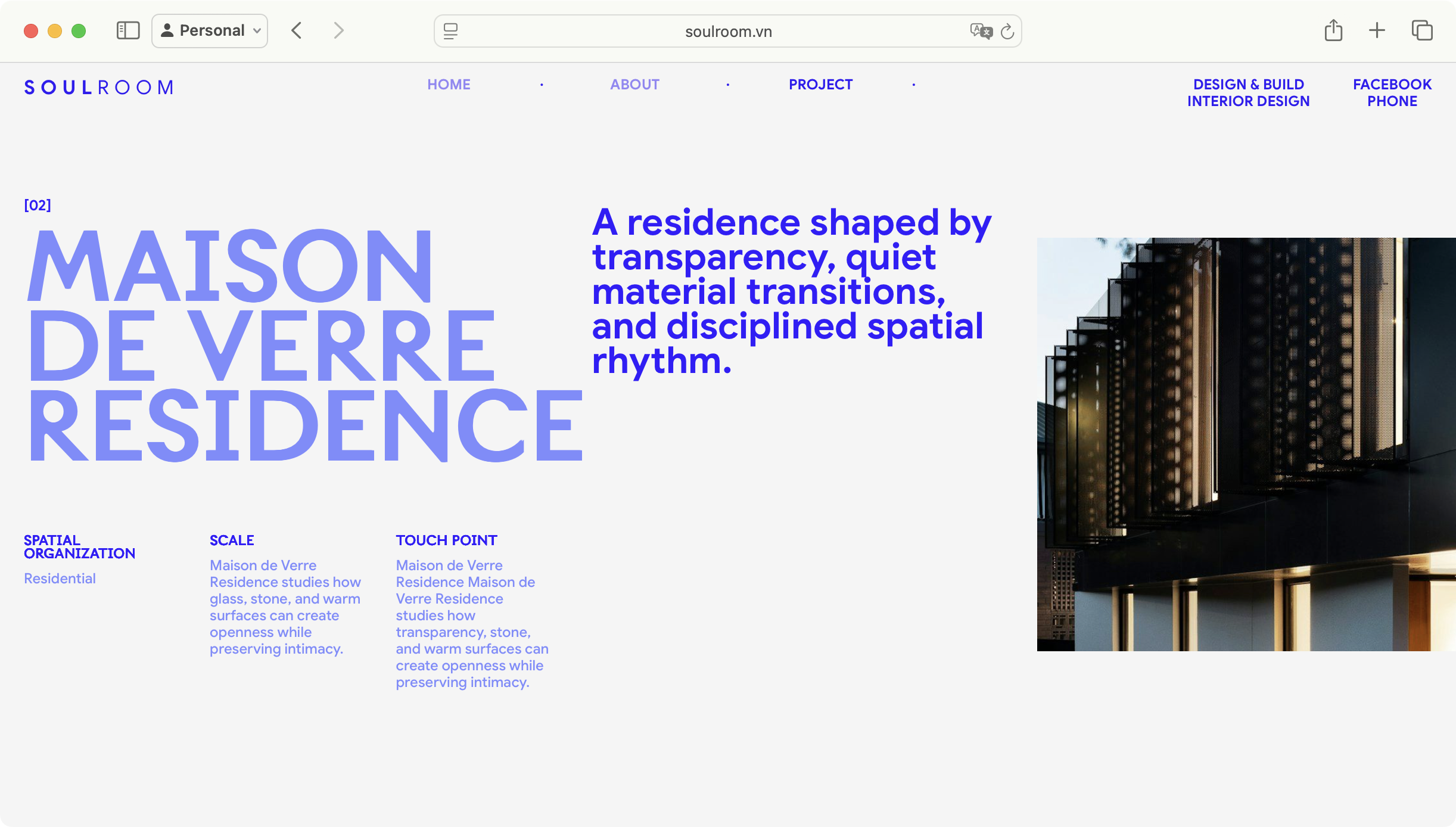
The project detail screens create the film-strip feeling. Each section moves the visitor through another frame of the project story: material, atmosphere, detail, and final impression.
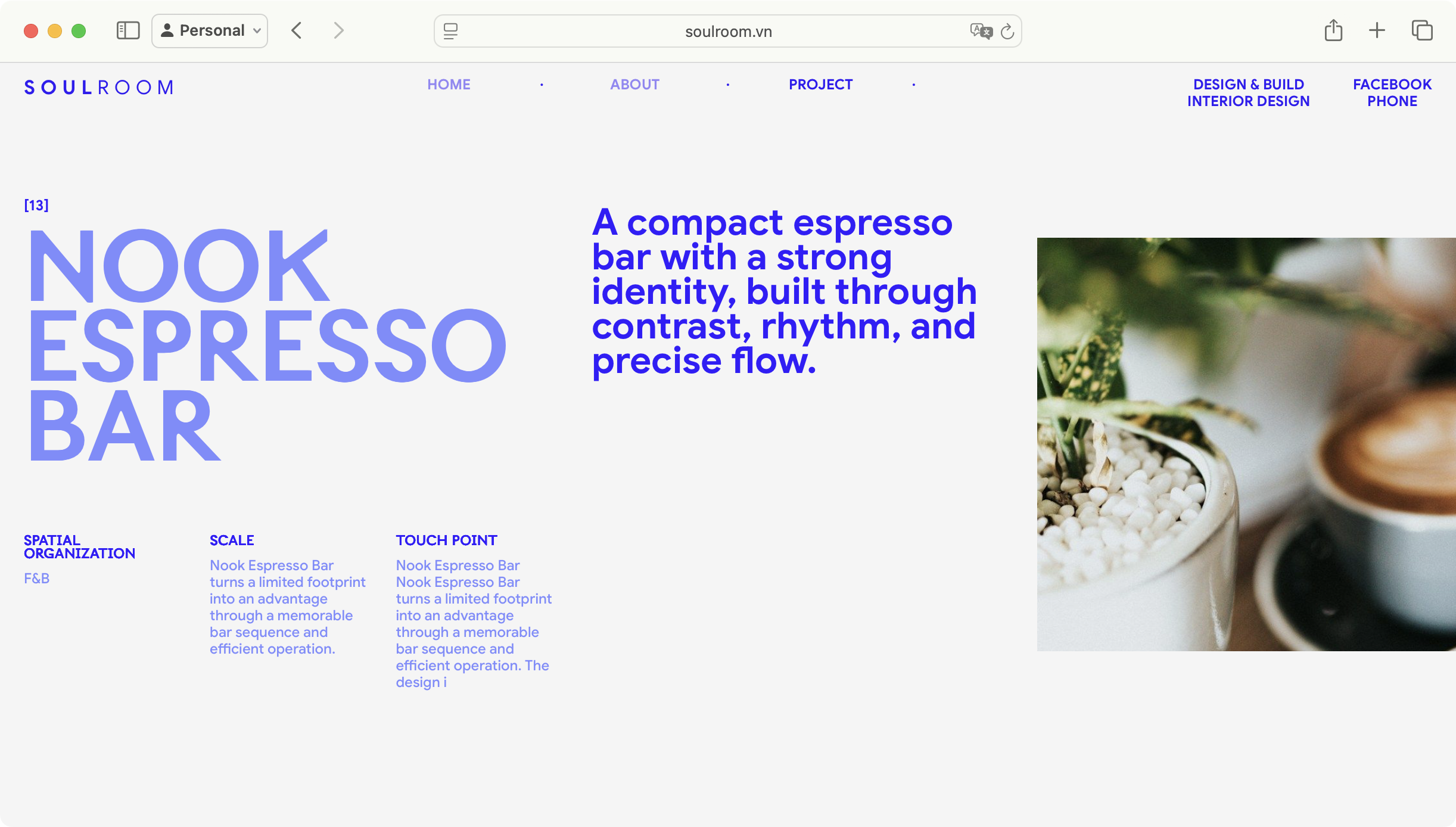
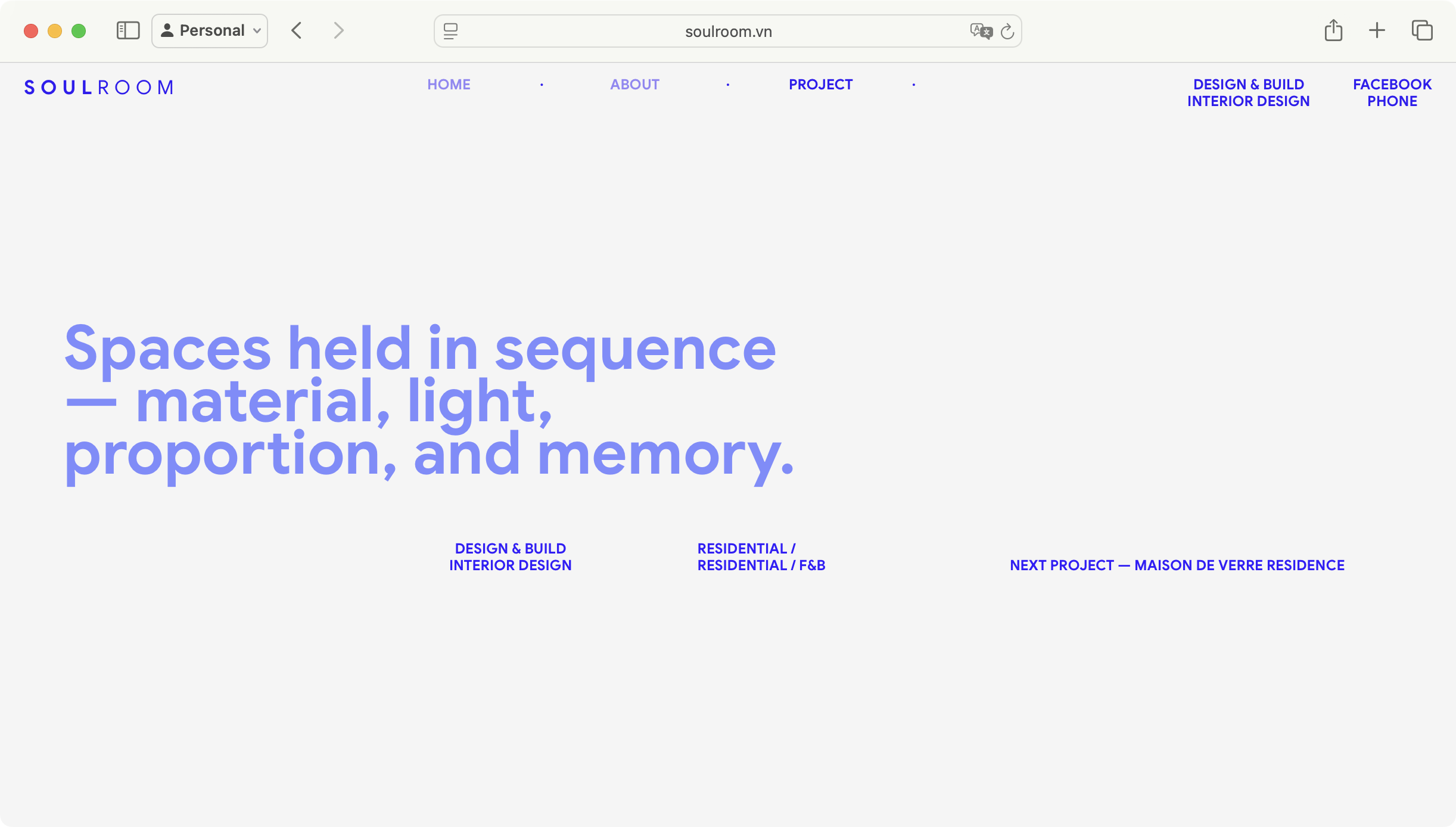
The mobile views show that the same editorial rhythm survives on a phone. The experience is not only beautiful on desktop; it remains usable and recognizable where many customers first browse.
This is why LaPage Digital avoids treating websites as standalone design projects.
The real question is not, “Do you have a website?”
The better question is:
“Do you own the path your customers take before they contact you?”
If your business depends heavily on social media, marketplaces, or third-party platforms, audit your current customer journey.
Ask:
The goal is not to abandon platforms.
The goal is to stop depending on them for every part of the relationship.
Use platforms for reach.
Use owned systems for trust, data, follow-up, and long-term control.
LaPage Digital does not see a website as the final product.
A website is one part of business ownership infrastructure.
Done properly, it can become the foundation for:
Soulroom.vn shows the first layer of that idea: a controlled brand channel with clear proof and direct contact paths.
For many businesses, that is the starting point.
The next step is turning that owned channel into a stronger operating system for customer relationships.
Your social feed is not your business system.
Your marketplace store is not your customer relationship.
Your best work needs a place you control.
Soulroom.vn is a useful reminder that a website becomes valuable when it turns attention into an owned asset: a place where customers can understand the brand, review proof, and take the next step directly.
Build channels you own.
Not only profiles you rent.
If you want to know how much of your customer journey your business actually owns, start with these questions:
LaPage Digital helps businesses turn scattered attention into owned customer systems.
LaPage Digital documents real delivery work across architecture, automation, infrastructure, and operational systems.
Subscribe to our newsletter to receive technical insights and updates on best practices for web development and hosting infrastructure.