Data & Reporting Systems

Get the business numbers you need, ready when it is time to act.

LaPage sets up management dashboards, automated reports, alerts, and monitoring around the questions your business needs answered every day, week, or month.

Dashboards for owners, managers, and teamsWeekly and monthly reports prepared automaticallyAlerts and action lists for work that needs attentionMonitoring when a source or report stops updating

What LaPage provides

Reporting services tied to real management work.

Each deliverable is designed around what people need to see, when they need it, and what they should be able to do next.

What you receive

Management dashboards

How it helps

A clear operating view for sales, orders, cash collection, marketing, stock, service work, branches, or another agreed area.

Business value

Owners and managers can check the current position without waiting for someone to assemble the answer.

What you receive

Automated recurring reports

How it helps

Weekly or monthly reports prepared from the same agreed sources and delivered to the right people on schedule.

Business value

The team spends less effort rebuilding routine reports and more time reviewing what needs action.

What you receive

Alerts and action lists

How it helps

Notifications and focused work lists when a payment, stock level, deadline, budget, job, or result moves outside the agreed condition.

Business value

Important exceptions reach the responsible person while there is still time to respond.

What you receive

Data and report monitoring

How it helps

Checks that detect when a source stops updating, a file arrives late, records are duplicated, or a report is using stale information.

Business value

Management can see when a report should not be trusted instead of making decisions from silently broken information.

Common projects

Bring us the reporting problem your team deals with today.

You do not need to prepare a technical specification. These are normal starting points for a LaPage reporting project.

01

Our owner report is rebuilt by hand every week or month.

02

Sales, finance, and operations bring different numbers to the same meeting.

03

We need one dashboard across branches, sales channels, or operating teams.

04

We notice overdue payments, stock problems, delayed jobs, or weak results too late.

05

We already have a dashboard, but nobody knows when its information is missing or outdated.

Reporting work for everyday operations

Useful views for businesses that need to run the day, not decorate a presentation.

These examples come from practical operating systems LaPage has built. The visuals use privacy-safe data and show the reporting scope, not invented customer results.

Privacy-safe LaPage rental operations dashboard showing bookings, item availability, deposits, payments, returns, and work requiring attention.

Tiệm Thanh Xuân

A daily view of bookings, items, payments, and returns

The rental business needs more than a booking list. The management view brings together what is reserved, picked up, returned, paid, overdue, or waiting for cleaning and repair.

What LaPage built

  • Bookings and item availability
  • Deposits, payments, and overdue returns
  • Daily work that needs staff attention
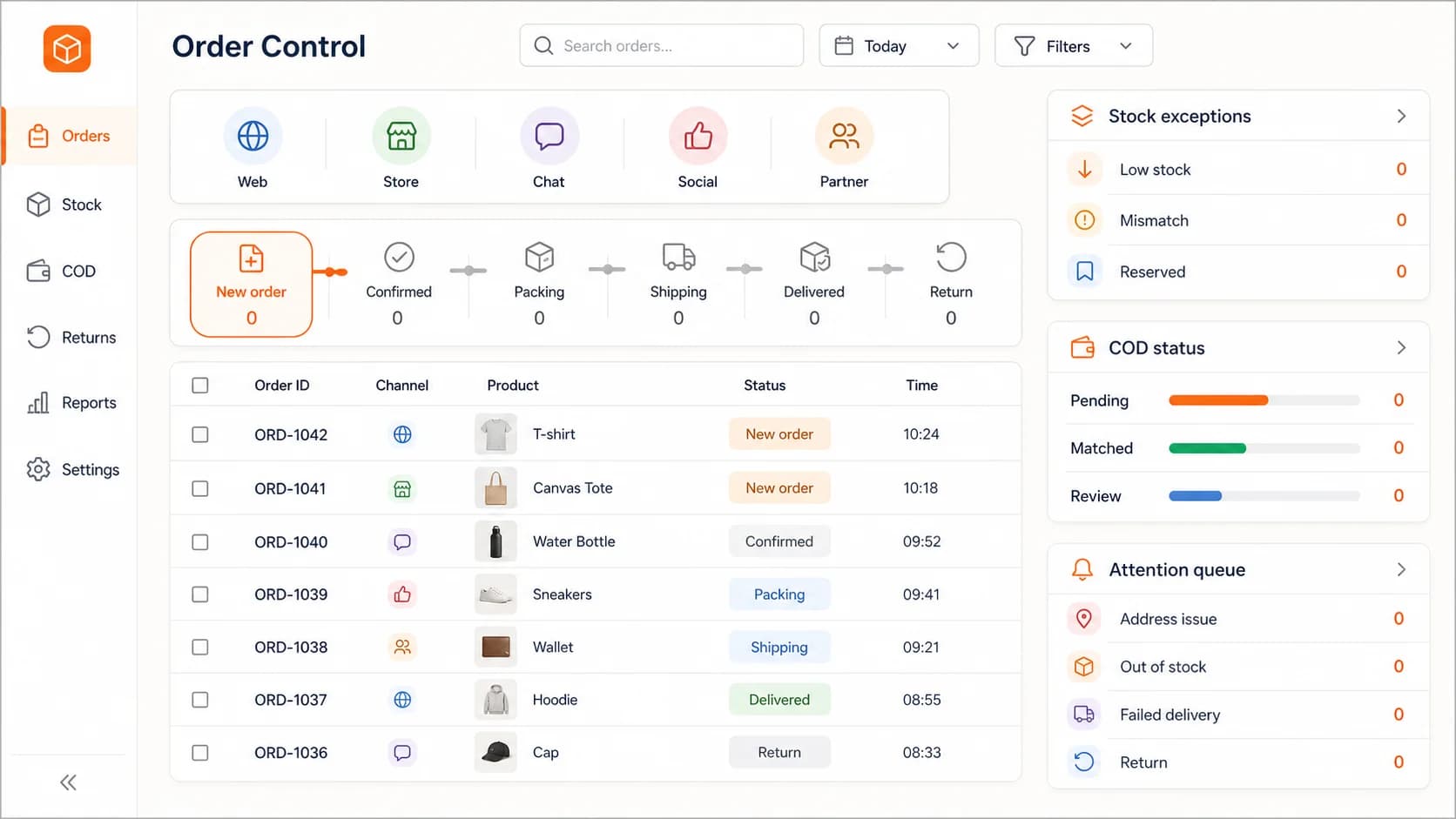
Privacy-safe LaPage retail reporting interface combining orders, channels, inventory, COD, fulfilment, and delivery exceptions.

Multi-channel retail

Orders, stock, COD, fulfilment, and exceptions in one view

When orders arrive from several channels, management needs one dependable view of what can be fulfilled, what is waiting, and where money or stock does not match.

What LaPage built

  • Orders grouped across sales channels
  • Stock and COD status
  • Problems separated from normal fulfilment
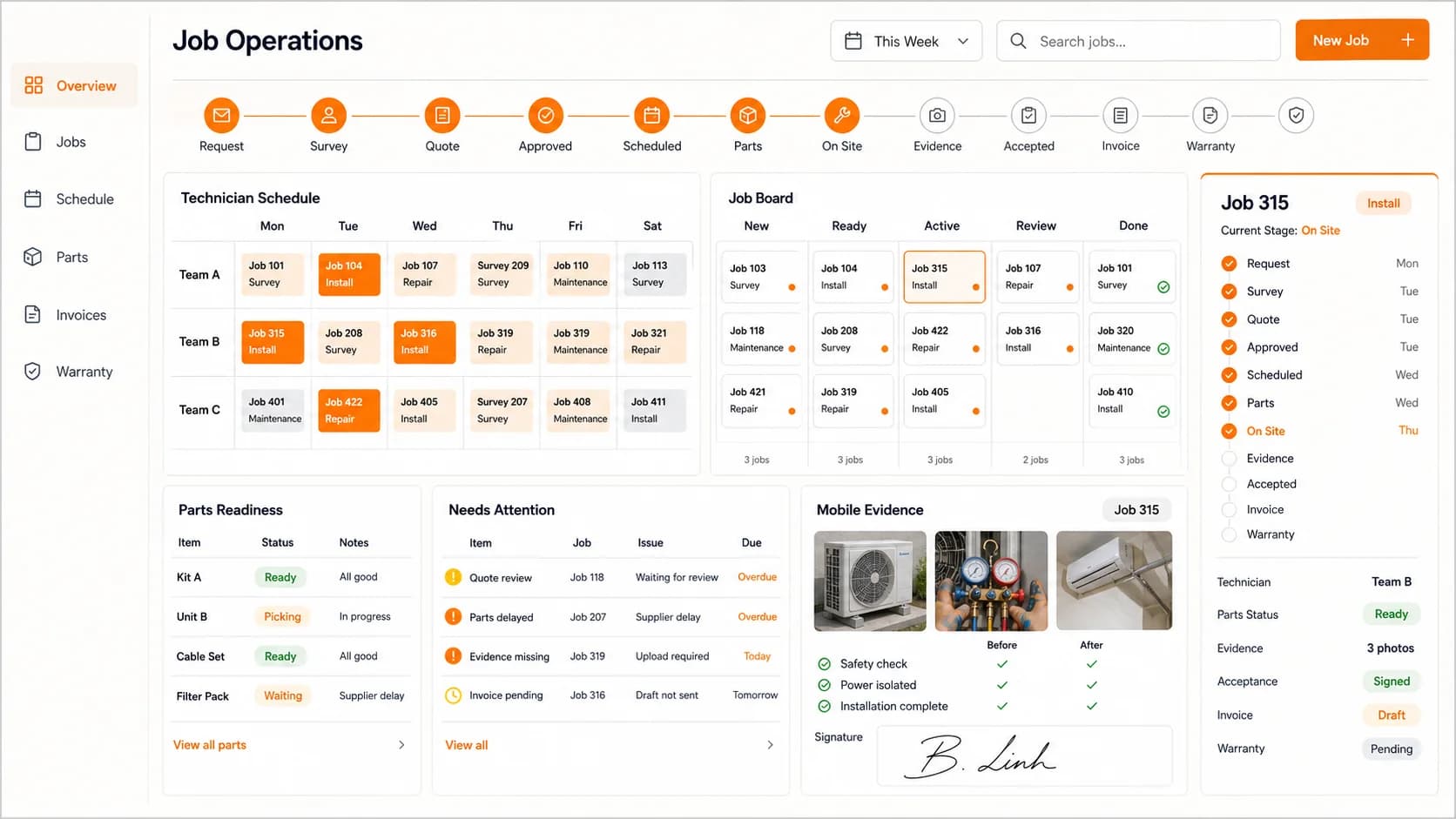
Privacy-safe LaPage field-service reporting interface showing service jobs, technician assignment, schedules, completion evidence, and pending action.

Field-service operations

Jobs, technician workload, schedules, and pending action

A service business needs to know which jobs are booked, assigned, delayed, incomplete, or ready for billing without calling every technician and coordinator.

What LaPage built

  • Scheduled and assigned jobs
  • Workload and completion status
  • Missing parts, evidence, or follow-up

Value beyond the screen

The goal is not more charts. It is a business that can see and respond sooner.

LaPage combines the right views, reports, alerts, and controls so information becomes useful in daily management.

Less waiting for answers

The agreed information is already prepared when the owner, manager, or team needs to review it.

Instead of asking someone to collect the figures, open the view or receive the report.

Fewer reporting surprises

Alerts and monitoring make late sources, missing information, and important exceptions visible earlier.

The responsible person sees what needs checking before the next meeting or reporting deadline.

One agreed management view

Important measures use the same source, time period, and definition across the people who rely on them.

Meetings can focus on the business issue instead of debating which spreadsheet is correct.

A reporting asset the business controls

Definitions, access, sources, update rules, and operating checks are documented for continued use and improvement.

The reporting process does not remain hidden inside one employee's private file or memory.

Works with what you already use

Keep the useful tools. Connect the information management needs.

LaPage can build the reporting system around your current website, sales records, accounting files, spreadsheets, advertising accounts, and operating software. A full software replacement is not required just to improve visibility.

Your current tools and files

Website and analytics
Sales and customer records
Orders, stock, and operations
Finance and payment files
Advertising platforms
Spreadsheets and team reports

LaPage reporting system

What your team receives

Dashboard
Scheduled report
Alert
Follow-up list

Advantage: improve management visibility without forcing the whole team to change every tool at once.

Included in a dependable delivery

LaPage delivers the controls behind the dashboard, not only the dashboard itself.

These parts help the system remain understandable, usable, and maintainable after launch.

Agreed definitions

What counts as a lead, sale, completed job, overdue payment, active customer, or other important measure is written down.

Freshness and completeness

People can see when the information was updated and whether a source is late or incomplete.

Named ownership

Each important source and report has someone responsible for resolving questions or broken inputs.

Appropriate access

Teams see the information needed for their work while sensitive financial, customer, or management data remains limited.

History and traceability

The business can understand when information changed, which source supplied it, and how a reported number was produced.

How LaPage delivers the service

Start with one valuable reporting need, then expand from a working result.

LaPage scopes the first delivery around a report, dashboard, alert, or monitoring need that people already recognize and will actually use.

01

Choose the decisions

We identify the questions, meetings, thresholds, and actions the report must support.

02

Map the information

We locate the existing files and systems, define each important measure, and identify gaps or conflicts.

03

Build and validate

We connect the required information, create the dashboard, report, or alert, and compare it with trusted source records.

04

Launch and hand over

We document definitions, access, ownership, and operating checks, then improve the system as the business changes.

How the project fee is calculated

A management report built from one clean file is different from a system connecting several branches, sales channels, definitions, access levels, and alerts. LaPage confirms the scope after reviewing the questions and sources.

Questions and reports
Information sources
Data cleanup
Update frequency
Access levels
Alerts and support

Where LaPage adds the most value

This service fits businesses with a recurring reporting problem and a clear reason to solve it.

Strong project fit
  • The same business questions return every day, week, or month.
  • People already spend meaningful time preparing or checking the report.
  • A late or unclear answer affects money, customers, stock, workload, or decisions.
  • Someone can own definitions and act when the report shows a problem.
A smaller first step may be better
  • The business wants a decorative dashboard but has no decision or action attached to it.
  • Teams have not agreed what the important measures mean.
  • The source information is not recorded consistently enough to answer the question.
  • Nobody is responsible for reviewing the report or acting on a warning.

In those cases, LaPage may recommend defining the process or cleaning the source information before building the reporting layer.

Practical SME experience

Reporting built around real operations, not a generic dashboard template.

LaPage has applied this work to education, rentals, multi-channel retail, and field-service operations. The examples demonstrate the systems delivered without exposing private customer information.

  • School operations across students, classes, fees, schedules, and communication
  • Rental bookings, items, payments, returns, and overdue work
  • Orders, stock, COD, fulfilment, and delivery exceptions
  • Service jobs, schedules, workload, completion, and follow-up

Continue exploring

Improve one important report first

Show us the report your team keeps rebuilding. LaPage will show you what we can replace it with.

Bring the spreadsheet, dashboard, screenshots, source files, or meeting questions you have today. We will propose a practical first delivery, the business value it should create, and the factors that affect the fee.

Call: +84 981 690 658
Message us on Facebook
Zalo
Contact us on Zalo
Contact us